
A whopping 79 clusters took part in BFBC this year. It’s easy to see why – a bird ID session makes the ideal mid-winter cluster event – and there is a compelling story to tell through the publication and promotion
Plantlife Arable Flora workshops
Arable flowers are a fascinating group of species. Conserving and enhancing communities of these plants benefits so many other farm inhabitants – such as pollinators, turtle dove, grey partridges and corn buntings to name a few – and in
Spotlight on clusters taking part in ELMs design
Collaboration of farmers and land managers features heavily in the initial discussion document for the new Environmental Land Management scheme – see blog. Many farmer-led landscape-scale conservation groups across England are participating in Phase 1 and Phase 2 of the
Landscape – scale to be threaded into ELMs
The new Environmental Land Management scheme is being designed as we write, however, initial thoughts set out in the ELMs discussion document (PDF here) provide an overview of what it might look like. And the good news is, landscape-scale makes
End of year update
First of all, let’s hope that 2020 brings you everything you need to continue the great work being done across the country! At present, lots of land-manager groups that applied for the fourth round of the Facilitation Fund are hearing
Taking out the message
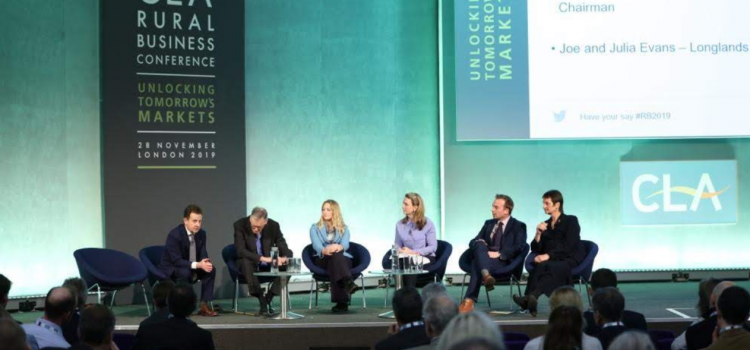
Tim Palmer, lead farmer of the Martin Down Farmer Cluster, and Jess Brooks, GWCT advisor and facilitator, have taken out the message of farmer collaboration and the potential that it can reach to big audiences this autumn. Invited to speak
Facilitation Fund relaunched for 2019
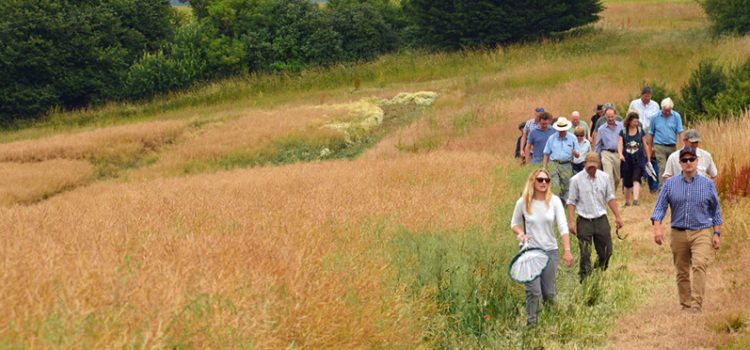
The Facilitation Fund was relaunched on Monday 5 August. The deadline for applications is midnight on the 4th October. If the application is successful, the signed agreement must be returned to Natural England by the 31st December 2019. The group
A summer farm walk in Dorset
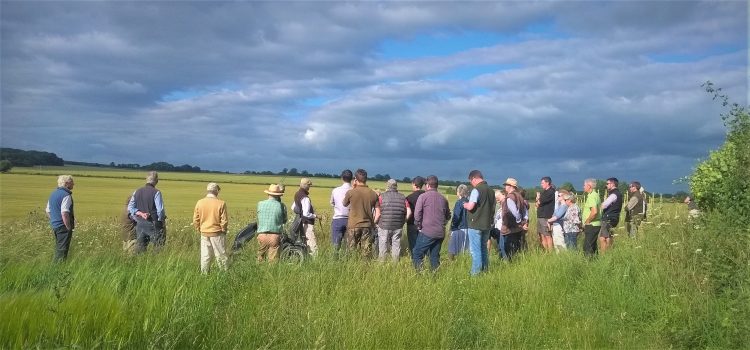
Many farmer groups across the country will have held farm walks this summer, to welcome others to see their herds and crops, conservation areas and habitat features and talk about food production alongside environmental work. At one such event